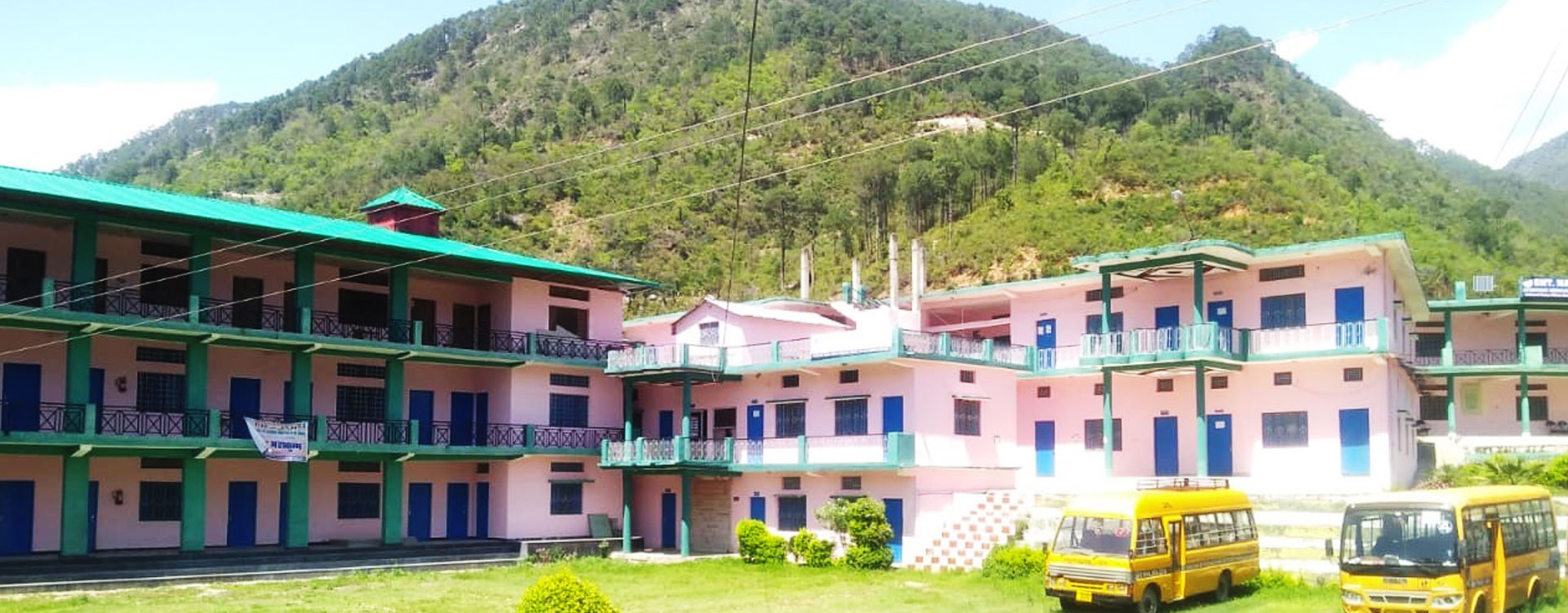
Welcome to SMT Manjira Devi Group of Institutions and Ayurvedic Medical College, where the ancient science of Ayurveda meets modern education in a harmonious blend. Nestled amidst the serene landscapes and cultural richness, our institution stands as a beacon of Ayurvedic excellence and holistic healing.This institution has emerged as a beacon for those seeking to delve into the profound world of Ayurveda, India’s timeless system of medicine. If you’re searching for “Smt Manjira Devi Ayurvedic Medical College Uttarkashi,” “BAMS admission in Uttarkashi,” or “Ayurvedic hospital in Uttarakhand,” you’ve come to the right place. This in-depth blog post explores everything from the college’s history and courses to its state-of-the-art facilities, hospital services, and much more. Whether you’re a prospective student, a health enthusiast, or someone interested in natural healing, we’ll cover it all in detail to help you make informed decisions.
Ayurveda, often called the “science of life,” has been practiced for over 5,000 years, originating from the Vedas. It emphasizes balance among body, mind, and spirit through natural remedies, diet, yoga, and lifestyle adjustments. In today’s fast-paced world, where stress and chronic diseases are rampant, Ayurveda offers sustainable solutions without the side effects often associated with allopathic medicine. Smt. Manjira Devi Ayurvedic Medical College & Hospital, Uttarkashi, embodies this philosophy, training future Ayurvedic practitioners while providing community healthcare. Let’s dive deeper into what makes this institution unique.
The Rich History of Ayurveda
Before we explore Smt. Manjira Devi Ayurvedic Medical College & Hospital, Uttarkashi, specifically, it’s essential to understand Ayurveda’s foundations. Ayurveda is derived from two Sanskrit words: “Ayur,” meaning life, and “Veda,” meaning knowledge. Ancient texts like the Charaka Samhita and Sushruta Samhita form its core, detailing diagnostics, treatments, and preventive care.
Historically, Ayurveda flourished during the Vedic period (1500–500 BCE), with sages like Charaka and Sushruta pioneering surgical techniques and herbal formulations. It influenced global medicine, including Greek and Chinese systems. During colonial rule, it faced suppression, but post-independence India revived it through institutions like the NCISM.
In modern times, Ayurveda’s relevance has surged. The World Health Organization recognizes it as a traditional medicine system, and studies show its efficacy in managing conditions like diabetes, arthritis, and mental health issues. For instance, Panchakarma therapies detoxify the body, while herbs like Ashwagandha reduce stress. With the global wellness market valued at over $4.5 trillion, Ayurveda is at the forefront, promoting holistic health amid rising interest in natural alternatives.
Uttarakhand, known as “Devbhoomi” (Land of Gods), is a hotspot for Ayurveda due to its rich biodiversity. The Himalayas house over 1,000 medicinal plants, making it ideal for Ayurvedic education and practice. Smt. Manjira Devi Ayurvedic Medical College & Hospital, Uttarkashi, leverages this environment, blending tradition with contemporary teaching methods.
Establishment and Evolution
Founded in 2005 as part of the Smt Manjira Devi Group of Institutions, the college was established to address the educational needs of Uttarakhand’s remote hilly regions. Named after Smt. Manjira Devi, it began with a vision to empower youth through quality education in Ayurveda, preventing migration and preserving cultural heritage. The group includes the Ayurvedic Medical College & Hospital, Nursing & Paramedical College, Shikshan Avam Parshikshan Sansthan, and International School.
Located in Hitanu Dhanari, Dunda, Uttarkashi, at an altitude of about 1,158 meters on the banks of the Bhagirathi River, the campus spans a picturesque area. Over the years, it has evolved into a key player in Ayurvedic education, gaining approval from the National Commission for Indian System of Medicine (NCISM) and affiliation with Uttarakhand Ayurved University, Dehradun.
In recent developments, the institution has integrated with Smt. Manjira Devi University (SMDU), enhancing its academic scope. This university, established in the Himalayan region, focuses on holistic education with programs in science, commerce, agriculture, yogic sciences, and more. The Ayurvedic college benefits from shared facilities like innovation labs and sports complexes, fostering interdisciplinary learning.
The evolution reflects a commitment to blending ancient Ayurvedic principles with modern research. From humble beginnings, it now hosts over 60 students annually in its flagship BAMS program, contributing to healthcare in rural Uttarakhand through medical camps and community outreach.
The Pristine Location: Why Uttarkashi is Ideal for Ayurvedic Studies
Uttarkashi, often called “Somya Kashi” or “Shivnagri,” is steeped in spiritual and natural significance. Situated 115 km from Dehradun, it’s home to sacred sites like Gangotri and Yamunotri, origins of the Ganges and Yamuna rivers. The region’s clean air, mineral-rich waters, and diverse flora provide a perfect backdrop for studying Ayurveda, which relies heavily on natural elements.
The Himalayan ecosystem offers hands-on learning opportunities. Students at Smt Manjira Devi Ayurvedic Medical College & Hospital Uttarkashi can explore herbal gardens featuring plants like Brahmi, Tulsi, and Giloy, used in formulations. The altitude promotes wellness practices like yoga and meditation, integral to Ayurveda.
Moreover, Uttarkashi’s remote setting minimizes distractions, allowing focused study. Yet, it’s accessible via road from major cities, with nearby attractions like Tehri Lake for recreational breaks. This location not only enhances education but also prepares students for serving underserved communities, aligning with Ayurveda’s community-oriented ethos.
Courses Offered
The primary program is the Bachelor of Ayurvedic Medicine and Surgery (BAMS), a 5.5-year course including a one-year internship. Approved by NCISM, it’s designed to produce competent Ayurvedic physicians.
BAMS Curriculum Breakdown
The curriculum is divided into four professional years plus internship:
- First Professional Year (1.5 years): Focuses on foundational subjects like Sanskrit, Padartha Vigyan (basic principles), Kriya Sharir (physiology), Rachana Sharir (anatomy), and Maulik Siddhant (history and fundamentals). Students learn Ayurveda’s philosophical base, including Tridosha theory (Vata, Pitta, and Kapha).
- Second Professional Year (1 year): Covers Dravyaguna (pharmacology), Rasashastra (pharmaceuticals), Roga Nidan (pathology), and Charaka Samhita. Emphasis on herbal identification and preparation.
- Third Professional Year (1 year): Includes Agad Tantra (toxicology), Swasthavritta (preventive medicine), Prasuti Tantra (obstetrics), and Kaumarbhritya (pediatrics). Practical training begins in hospital settings.
- Fourth Professional Year (1.5 years): Advanced subjects like Kayachikitsa (internal medicine), Shalya Tantra (surgery), Shalakya Tantra (ENT and ophthalmology), and Panchakarma (detox therapies). Research methodology is introduced.
The internship involves rotations in the attached hospital, covering OPD, IPD, and specialty departments. Students handle real cases, from diagnosis using Nadi Pariksha (pulse examination) to treatments like Abhyanga (oil massage).
Other courses under the group include B.Sc. Nursing, GNM, D.Pharma in Panchakarma and Ayurveda, and Diploma in Polytechnic. These complement the Ayurvedic focus, promoting allied health education.
Smt Manjira Devi Group Of Institutions And Ayurvedic Medical College Uttarkashi, Uttarakhand
| College Name | Smt Manjira Devi Group Of Institutions And Ayurvedic Medical College Uttarkashi |
| Address | Rukmani Nagar, Hitanu Dhanari, Dunda, Uttarkashi, Hitaru, Uttarakhand 249151 |
| Type | Private BAMS College |
| Approved By | NCISM (National Commission for Indian System of Medicine) |
| Affiliated with | UTTARAKHAND AYURVED UNIVERSITY, DEHRADUN (U.K) |
| Course | BAMS |
| Seat Intake | 60 |
| Fee Structure | Rs. 2,40,000/- |
| Entrance Exam | NEET-UG |
| Website | https://www.manjiradevi.com |
Note: The admissions for B.A.M.S course in SMDGIAMC are open now and purely based on the NEET-UG cut off score, Kindly connect with our ayurvedic admission consultant for all information about admission counseling and form submission.
Admission Process for BAMS
Admission to BAMS is competitive and merit-based, primarily through NEET (National Eligibility cum Entrance Test).
Step-by-Step Admission Process
- NEET UG Registration: Apply for NEET UG via the NTA website.
- Application Form: Fill out the college’s online form on manjiradevi.com, submitting documents like marksheets, the NEET scorecard, ID proof, and photos.
- Counseling: Participate in state-level counseling by Uttarakhand Ayurved University or AACCC (All India level).
- Document Verification and Seat Allotment: Attend sessions for verification; seats are allocated based on merit.
- Fee Payment: Pay tuition and secure a seat.
Cutoffs vary annually; recent trends show NEET scores around 400-500 for the general category. Scholarships are available, including a 31% tuition waiver for Uttarakhand residents.
Fee Structure: Affordable Education in Ayurveda
The fee structure is designed to be accessible:
- Tuition Fee: ₹2,40,000 per annum.
- Hostel Fee: ₹90,000 annually.
Payments are installment-based, with additional costs for books and uniforms. Financial aid and government schemes like Post-Matric Scholarships apply to eligible students.
Expert Faculty: Pillars of Knowledge at Smt Manjira Devi
The faculty comprises experienced Ayurvedic experts, many with MD/PhD qualifications. They blend theoretical teaching with practical insights, drawn from institutions like Banaras Hindu University and Gujarat Ayurved University.
Departments include Kayachikitsa, Shalya Tantra, and more, each headed by specialists. Guest lectures from renowned practitioners enhance learning. The university’s 5I Pedagogy (Interactive, Innovative, Inclusive) ensures engaging sessions.
State-of-the-Art Facilities and Campus Life
The campus is a blend of modernity and nature:
- Classrooms and Labs: Spacious, equipped with audio-visual aids; labs for anatomy, pharmacology, and Panchakarma.
- Library: Stocked with 10,000+ books, journals, and digital resources.
- Herbal Garden: Over 200 medicinal plants for hands-on study.
- Hostels: Separate for boys and girls, with mess, Wi-Fi, and recreation.
- Sports and Wellness: Cricket ground, yoga center, gym, and cultural events like fests and seminars.
- Innovation Hubs: Robotics and coding clubs under SMDU.
Student life is vibrant, with clubs, volunteering, and 100+ medical camps annually.
The Attached Hospital: A Hub for Ayurvedic Healing
The hospital is integral, offering affordable treatments to locals and students’ training ground.
Departments and Services
- Kayachikitsa: Treats chronic diseases like diabetes with herbs and diet.
- Panchakarma: Detox therapies like Vamana (emesis) and Virechana (purgation).
- Shalya Tantra: Minor surgeries using Kshara Sutra for fistulas.
- Prasuti and Stri Roga: Maternity care with natural birthing methods.
- Bal Roga: Pediatric Ayurveda for immunity building.
- Shalakya Tantra: Eye, ear, and nose treatments.
The hospital conducts OPD/IPD with modern diagnostics alongside traditional methods. It hosts camps for rural health, treating thousands yearly.
BAMS Admissions and NEET UG Counselling
The candidates who are interested in applying for admission in SMDGIAMC have to follow the following steps online which are listed below:
- Step 1: Visit https://www.uau.ac.in
- Step 2: To register here, the students have to fill their NEET-UG roll no and email which they have used to apply in the NEET examination
- Step 3: Now make the payment as listed their on their after the registration process.
- Step 4: After payment, you will get the registration number along with transaction number which is also sent through sms on their phone number.
- Step 5: After this process the candidates who are really eligibile have to pay the security money.
- Step 6: In the next step the merit list will be declared on their officiel website for seat availability.
- Step 7: The candidates must be ready with their documents after this counselling process.
College Facilities
- Hospital – OPD Unit, IPD Unit, ECG Unit
- Panchkarma Unit Facility
- OT Unit
- Library
- Labs
- Herbal Garden
- Clinical Facility
- Cafeteria and Canteen
- Hostels
- Transport Facility
- Playground
- Multipurpose Hall
- Physiotherapy
- Ragging-free thanks to the anti-ragging committee.
Required Documents
List of Required Documents for BAMS admissions in SMDGIAMC:
- 10th Grade marksheet.
- 10th Grade passing certificate.
- 12th Grade passing certificate.
- 12th Grade marksheet.
- Admit Card
- Migration certificate.
- Transfer Certificate.
- Character certificate.
- Adhaar card photocopy.
- Domicile certificate.
- Caste certificate
- 8 Passport size photograph.
- Neet Scorecard.
- Provisional Allotment Letter
- Fee Receipt
Career Options:
- Ayurvedic Certified Doctor
- Research Analyst (Health and Medicine Sector)
- Teaching
- Pharmacist
- Physician
- Therapist
Eligibility Criteria
| Eligibility Criteria | Requirements |
| NEET Entrance Examination | Must have passed NEET Entrance Examination |
| Age | Must have completed 17 years of age by Dec 31 |
| Domicile | Must be a resident of Uttarakhand |
| Qualification | Passed 10+2 with Physics, Chemistry, Biology/BiotechnologyEnglish as compulsory courses |
Frequently Asked Questions:
Is NEET UG entrance examination compulsory for admission in Smt Manjira Devi Group Of Institutions And Ayurvedic Medical College Uttarkashi?
*Yes, NEET UG cut off is required for BAMS admission in Smt Manjira Devi Group Of Institutions And Ayurvedic Medical College Uttarkashi.
Is there an herbal Garden available on the Smt Manjira Devi Group Of Institutions And Ayurvedic Medical College Uttarkashi, campus?
*YES. There is an Herbal Garden on the campus Of Smt Manjira Devi Group Of Institutions And Ayurvedic Medical College Uttarkashi.
What is the full form of BAMS?
Bachelor of Ayurvedic Medicine and Surgery.
Is the college approved by NCISM?
Yes, it’s approved by the National Commission for the Indian System of Medicine.
What is the duration of the BAMS course?
5.5 years, including a one-year internship.
Does the college provide hostel facilities?
Yes, separate hostels for boys and girls.
Is there a hospital attached to the college?
Yes, for clinical training and public services.
What specializations are covered in BAMS?
Departments like Kayachikitsa, Panchakarma, Shalya Tantra, etc.
Are scholarships available?
Yes, including 31% for Uttarakhand residents.
Does the college have research facilities?
Yes, with a focus on Ayurvedic herbs.
What are the placement opportunities?
High, with an 80% record in healthcare sectors.
